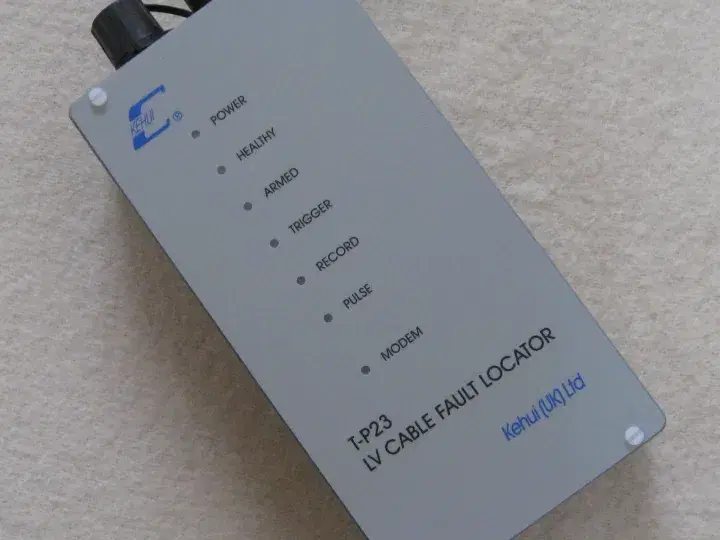
About the T-P23
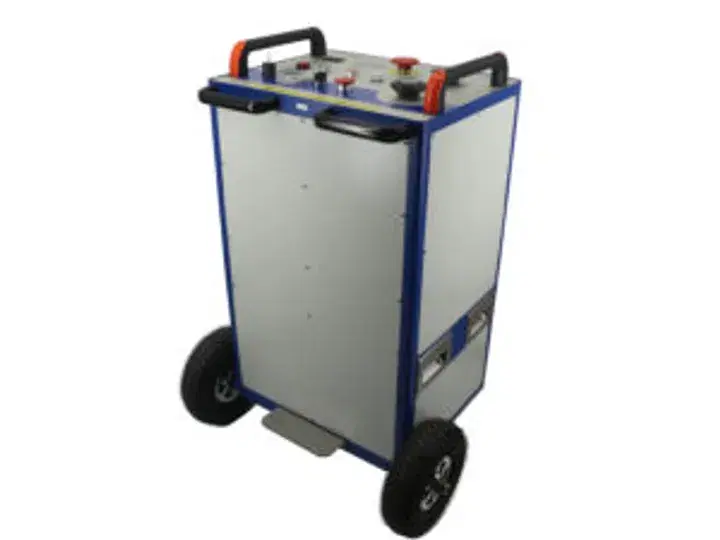
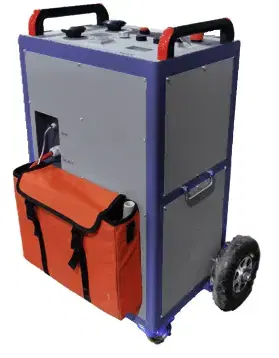
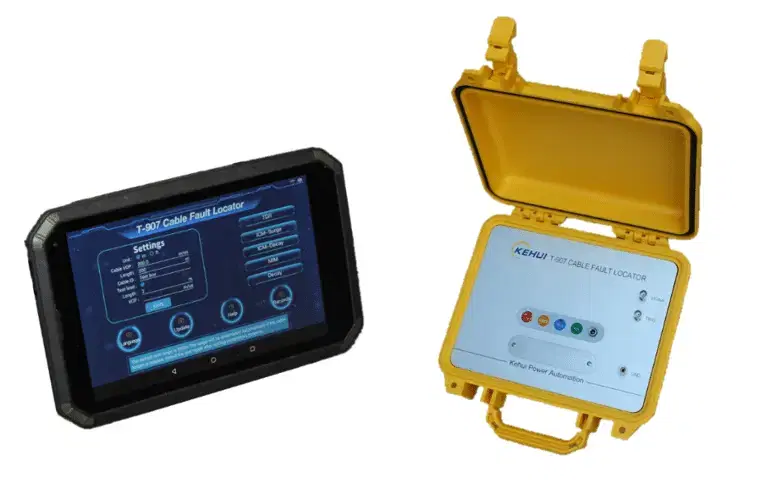
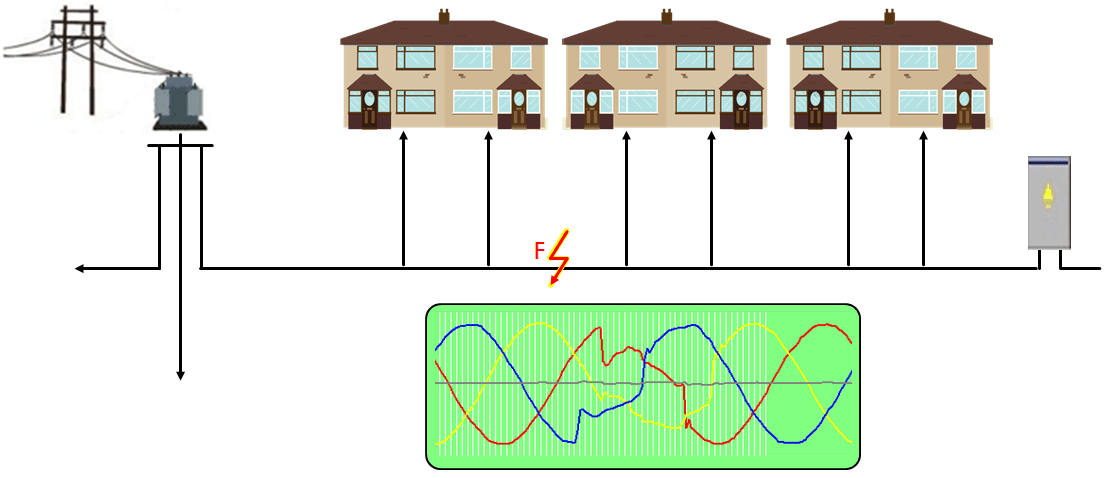
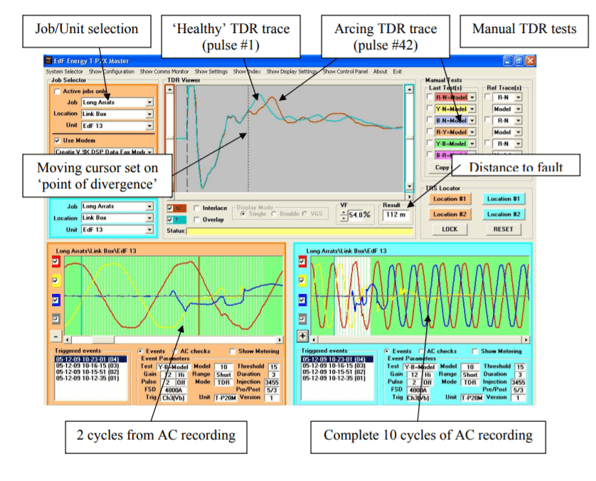
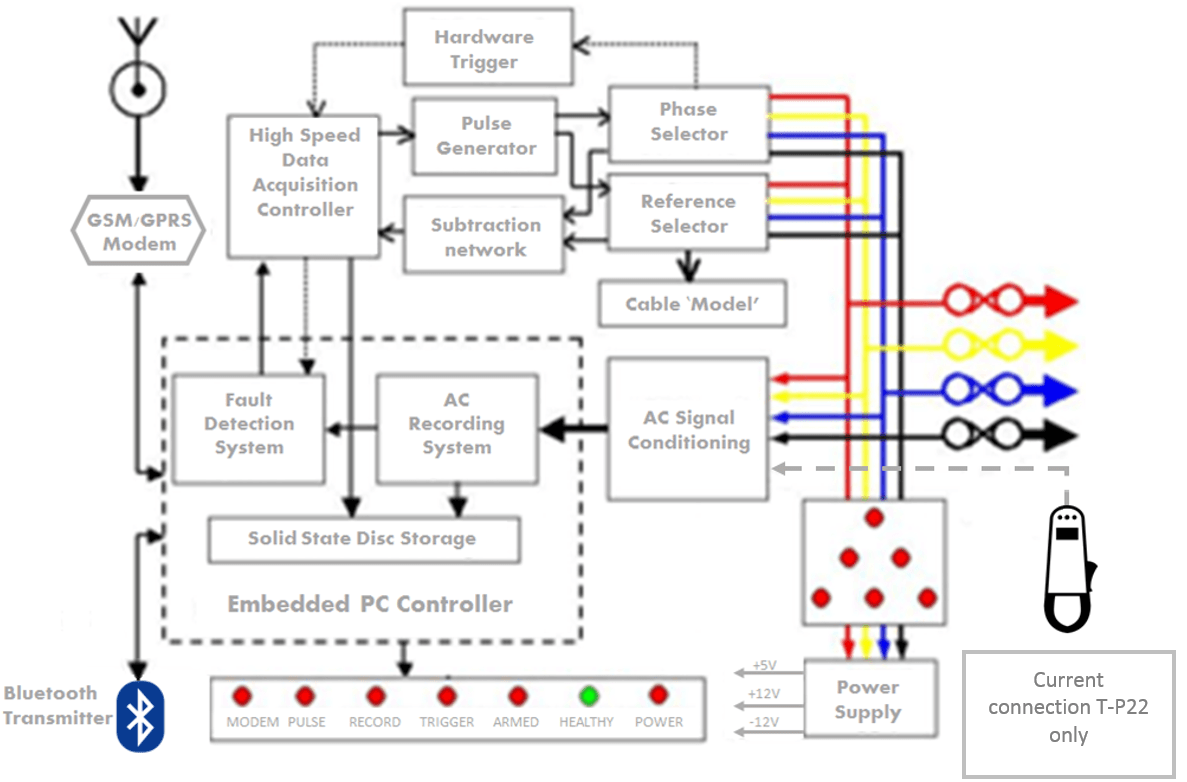
The T-P23 has been designed to locate all types of low voltage cable faults, but especially difficult and troublesome intermittent faults. It can be controlled locally from a portable PC or remotely over a telephone channel (either landline or GSM). The unit is connected simultaneously to all 3 phases of an LV cable to allow the local or remote operator to perform TDR testing on any combination of phases. Power for the device is taken through the 3-phase test lead so it requires at least 1 phase to be energised. It includes a three- channel transient recorder which is used to acquire information about the nature and behaviour of intermittent faults. The signals acquired by the transient recorder are also used to detect “trigger” conditions for the TDR system based on current or voltage distortion.
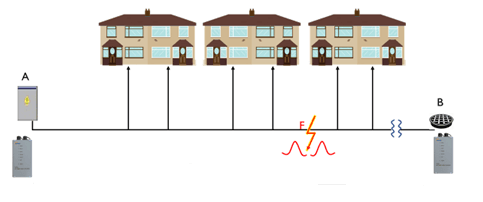
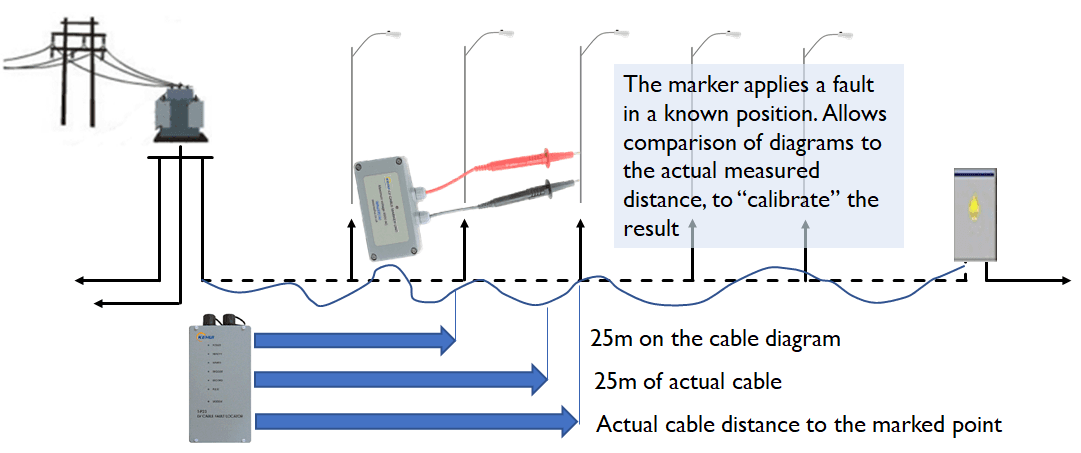
Voltage recordings from several of devices can be used for fault location by voltage gradient. By allowing control from a remote location, the units can be connected to a faulty cable by field staff who are not necessarily familiar with the analysis of TDR waveforms. The expertise in adjustment and interpretation being provided by a centrally located specialist. This becomes particularly beneficial when the equipment has to be left on-site awaiting the (re)-occurrence of an intermittent fault.
Photos
Key features
- Remotely controllable TDR and Disturbance Recorder designed specifically for low voltage power cable fault location
- Locates permanent, intermittent and transitory faults
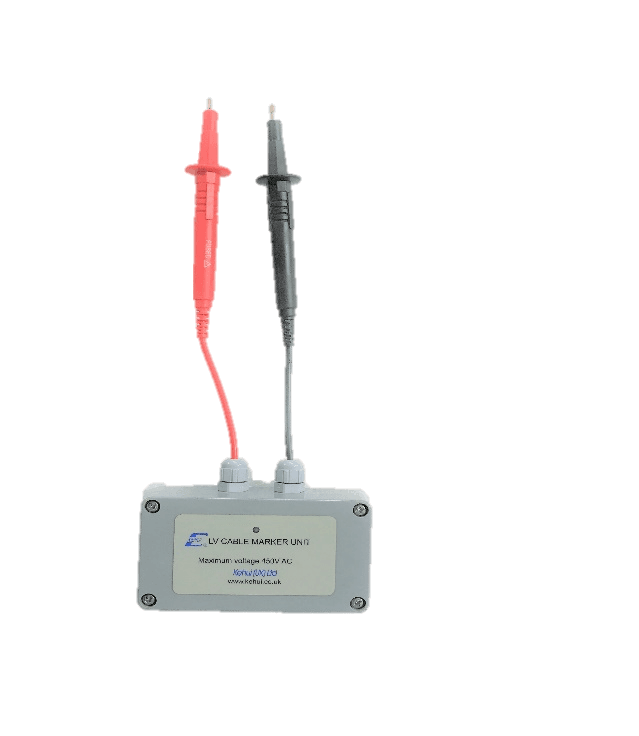
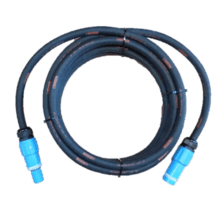
- Safe connection to energised cables via heavy duty fused test leads
- Local interrogation through a Bluetooth connection to a PC or Android device
- Internal GSM/GPRS modem allows control and interrogation from anywhere in the world
- Storage of the last 20 events with 64 TDR traces (30 pre-fault and 34 post-fault) plus 10 cycles of AC voltage waveforms
- Triggered from voltage distortion
- Used in conjunction with additional devices it can provide a 3-phase voltage gradient fault location system. Two, or more, units can be configured to operate as a quasi-synchronous Travelling Wave Fault Location System