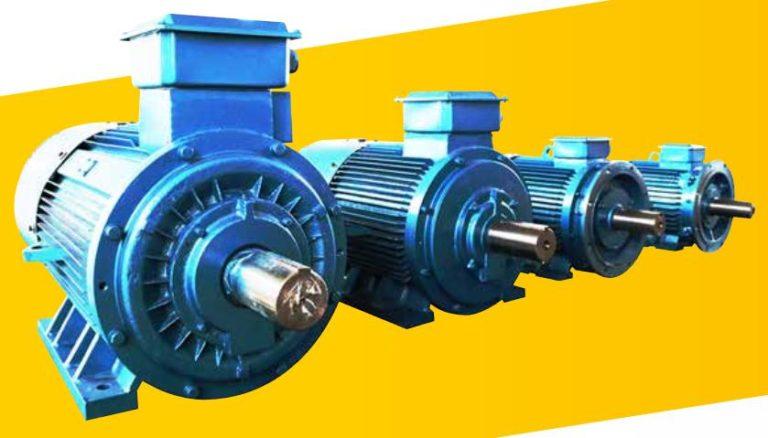
About the SRM-SRD
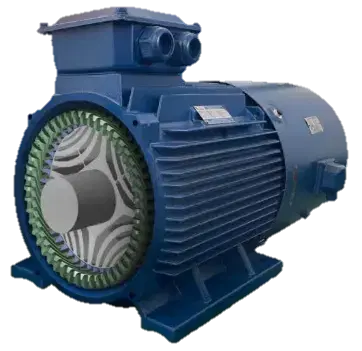
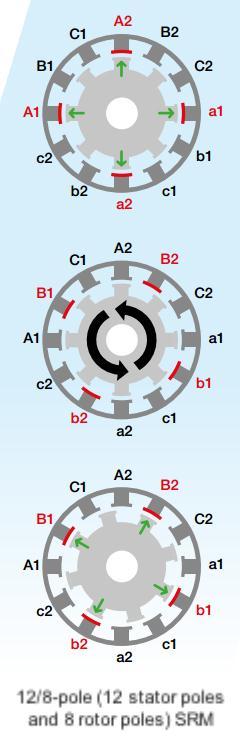
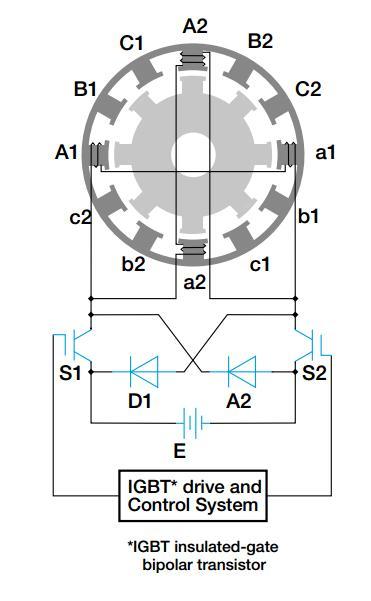
The technology behind the switched reluctance motor (SRM) has been in existence since the mid-nineteenth century. These early examples never reached their potential because they were difficult to control, noisy and unreliable. However, with recent developments in electronic switching, using insulated-gate bipolar transistor (IGBT) technology, the SRM have become an excellent solution for a wide variety of different applications. The latest designs of SRM allow users to take advantage of the higher efficiency, low starting currents and robust construction that characterises this type of motor.
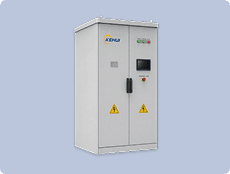
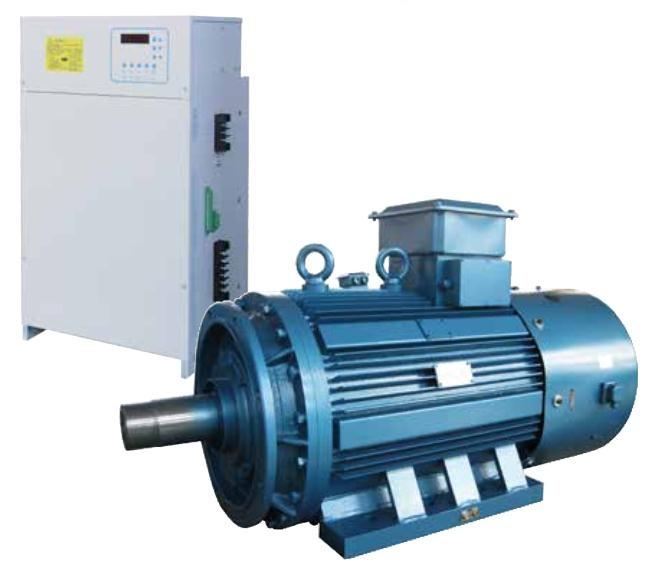
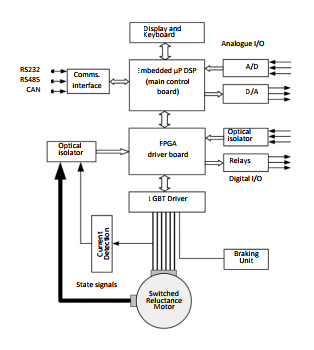
Since 2000, Kehui has been working on the development of SRD motor systems and has regularly introduced new generations of drives, culminating in the KSM20 controller series, with a maximum power of 500kW (670Hp). Coupled with the HS1 SR motor designed for high impact and high vibration applications, the Kehui switched reluctance motor systems are true world leaders with production of approximately 2,000 motor sets per year.
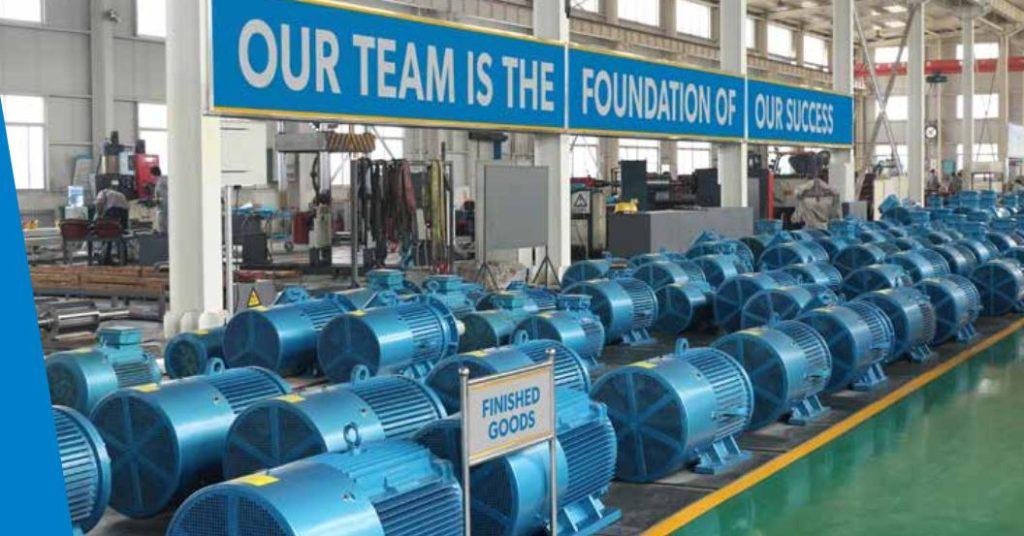
The company’s capabilities are emphasised by its investment in a state-of-the-art SRD test facility to ensure that its commitment to quality is maintained.
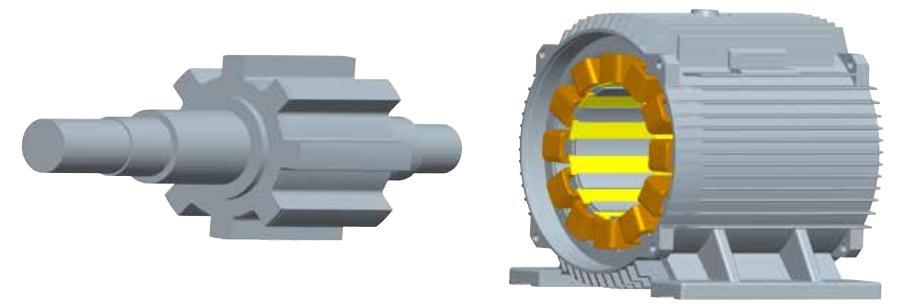
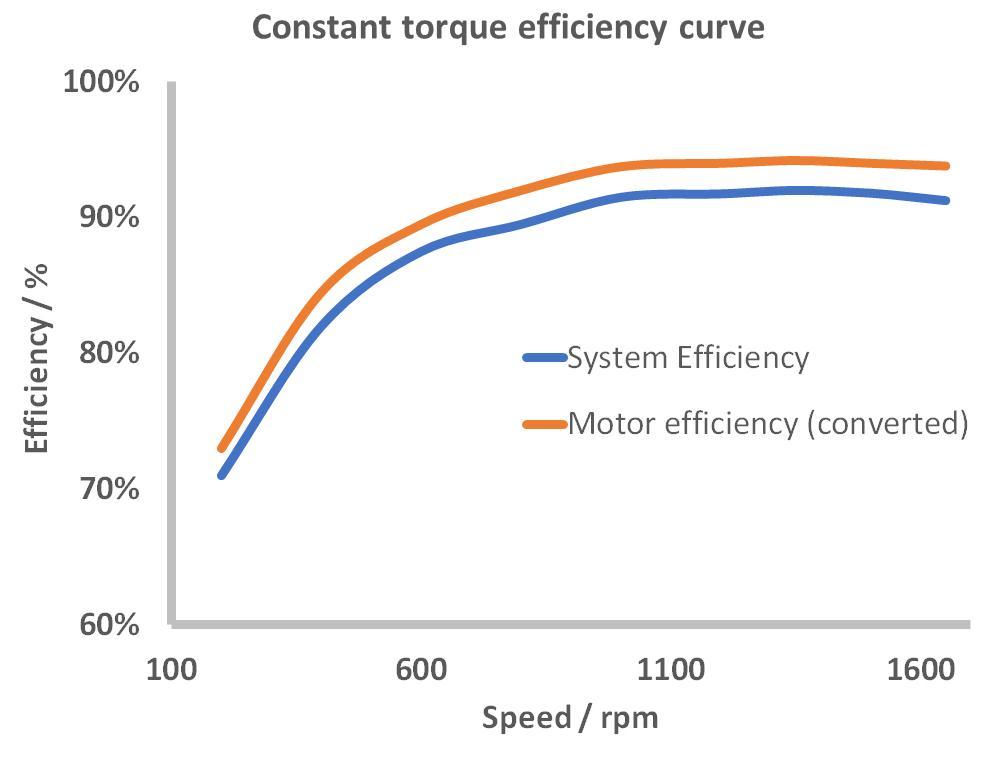
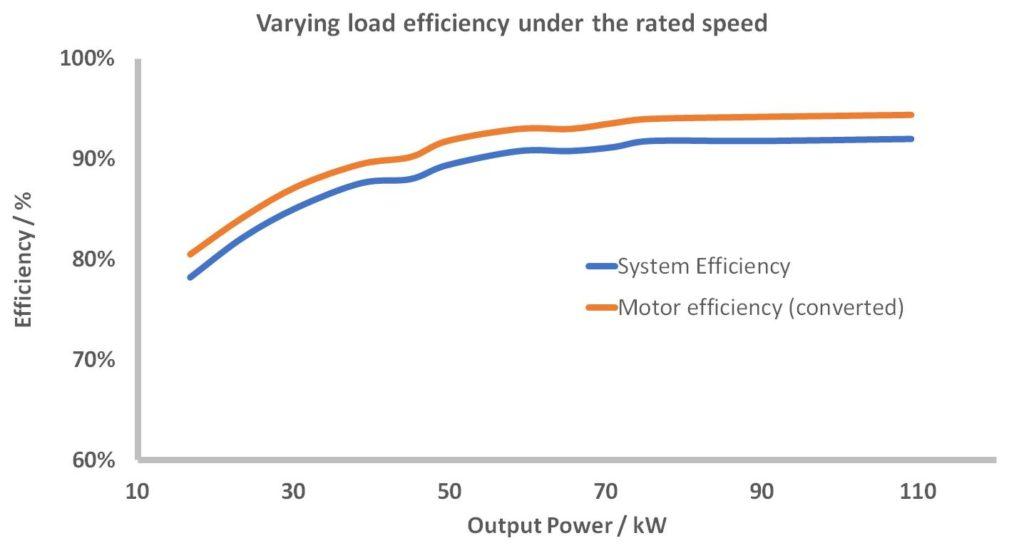
The Switched Reluctance Drive (SRD), a combination of the motor and its electronic control system, creates a low cost, reliable, highly effcient, and flexible electric drive system. Its ability to use potential energy stored in one coil to energise the next, takes this technology to a whole new level of effciency and performance. An SRM does not have magnetic “slip”, so there is virtually no heating of the armature (which is a weakness of standard induction motors). The losses that do occur are in the magnetic coils connected to the stator, where heat is more readily dissipated. As SRDs do not have bi-directional, three-phase, high frequency switching, they do not have the eddy and bearing current issues commonly associated with squirrel cage (induction) motors.
The technologies that make up SRDs are well established and use commonly available parts and materials; the difference is how they are combined and applied. Because of this, SRDs are not accompanied by a “leap in technology” risk that affects many new solutions. Specifying, purchasing, installing, commissioning, maintaining and operating Kehui SRDs is little different to a conventional Variable Frequency drive (VFD) system. However, there will be a substantial reduction in costs for all of these activities.
Photos
Benefits
- Low starting current
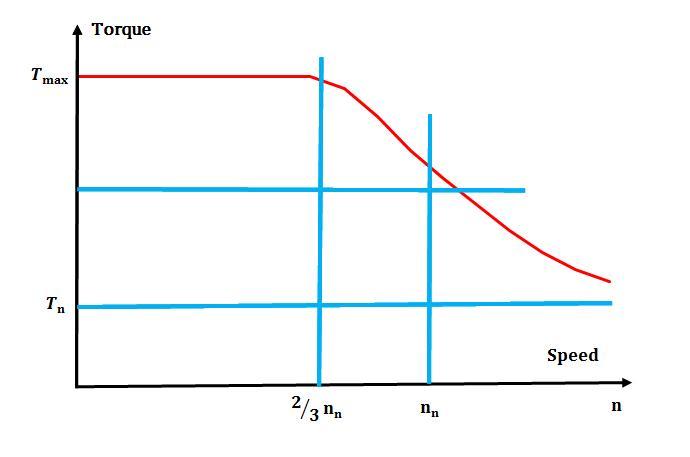
- High starting torque
- Robustness
- Simplicity and reliability
- High Power
- Frequent rotational direction changes
- No need for magnets or rare earth metals
- High overload capacity
- Efficiency
- Frequent stopping and starting (up to 1000 times per hour)
- Excellent dynamic response
- The absence of bearing currents prevents potential damage